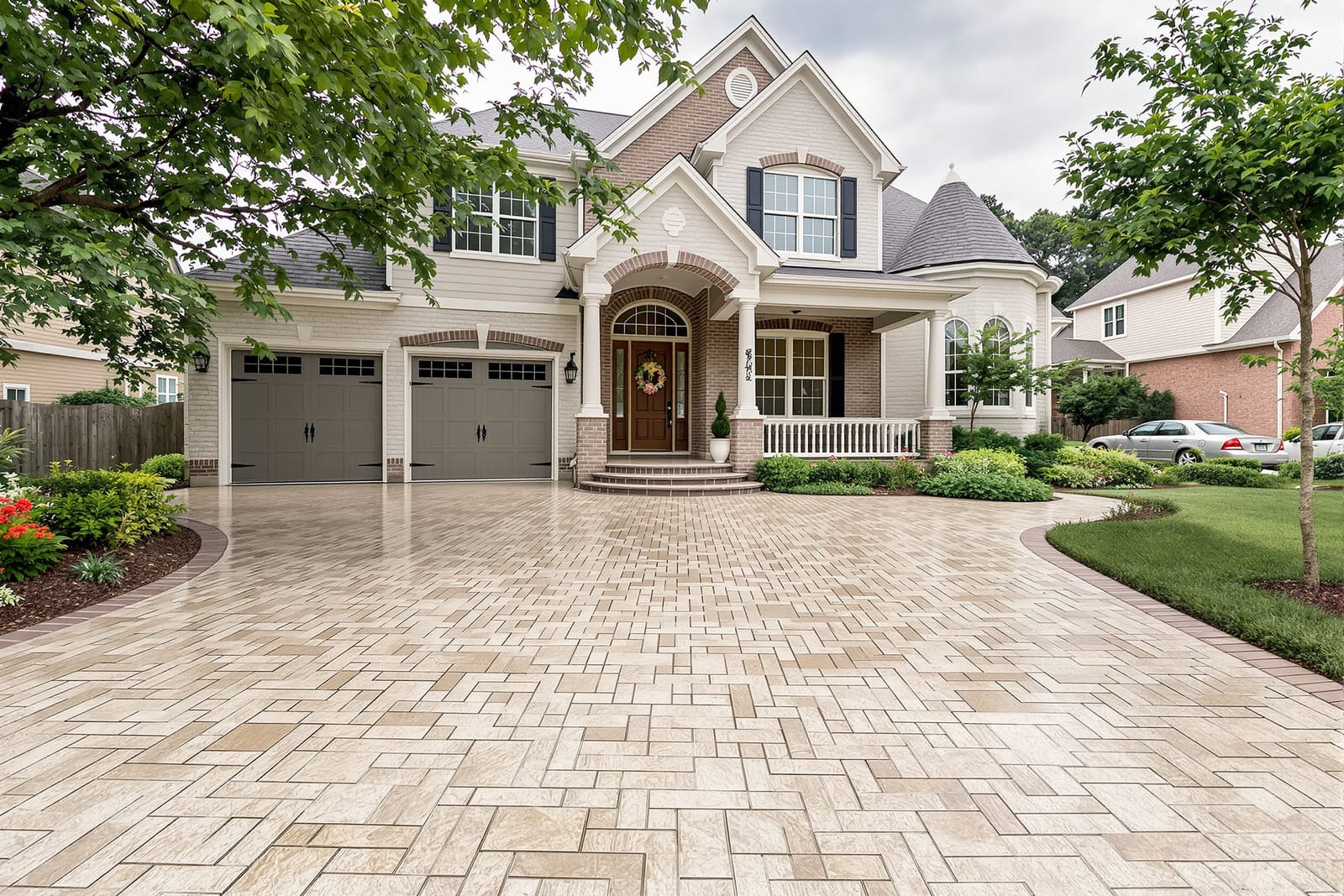
Enhance your property with stamped concrete in Albuquerque, NM that mimics stone, brick, or wood at a fraction of the cost. We specialize in decorative concrete finishes for patios, pool decks, walkways, and entrances. Choose from custom colors and patterns to match your style.
Superior Concrete Albuquerque provides professional stamped concrete throughout Albuquerque, NM, New Mexico and the surrounding area. Our licensed, insured crew delivers safe, clean, on-time work with a free estimate before anything begins. Call (505) 578-5468 or request your free quote.
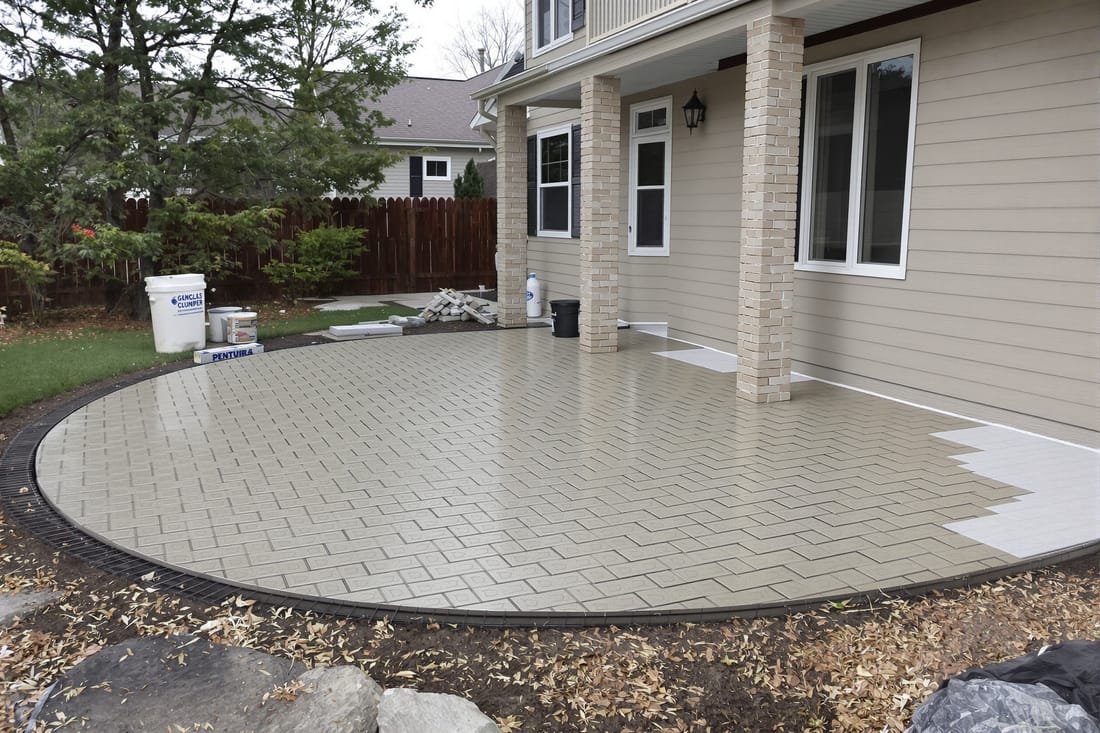
Stamped Concrete Patios, Driveways, and Walkways in Albuquerque
Stamped concrete gives you the look of stone, brick, or pavers with the strength and simplicity of a single concrete slab. For many homeowners in Albuquerque, it is the sweet spot between cost, appearance, and durability. Superior Concrete Albuquerque focuses on stamped concrete that can handle our high desert sun, temperature swings, and occasional heavy rain.
A stamped slab is not just decorative. When it is designed and installed correctly, it performs like a standard structural slab while adding pattern and color. That means you can use it for patios, pool decks, walkways, and even driveways if the base and concrete thickness are sized for vehicle loads. We pay close attention to how you plan to use the area so the mix, reinforcement, and joint layout are chosen for your specific project.
In Albuquerque, the biggest functional advantage of stamped concrete over loose pavers is stability. There are no joints that can sink or heave separately, and weeds have a much harder time finding a place to grow. You still get the look of joints and textures, but you clean and maintain it like a single surface. That is important in our dusty, windy climate, because it keeps sand and debris from settling in real gaps and becoming a maintenance headache.
How We Install Stamped Concrete Step by Step
A stamped concrete project from Superior Concrete Albuquerque follows a clear process so you know what is happening and why.
First, we meet on site and measure grade, drainage paths, and access. Albuquerque lots often have a mix of native soil and old fill, so we probe and sometimes dig test spots to see if we need to over-excavate soft areas. Good prep is the difference between a slab that lasts and one that cracks early.
Second, we excavate to the depth needed for your use. Patios and walkways usually get 4 inches of concrete, driveways 5 inches or more, with 3 to 4 inches of compacted base under that. We use crushed aggregate that compacts tightly and drains well. The base is compacted in layers with a plate compactor so it does not settle later.
Third, we build and stake forms. We follow the slopes we discussed so water runs away from your house and does not pool on the slab. At this stage we also set any drains, sleeves for future irrigation, or conduit you may want to run under the slab so you do not have to cut later.
Fourth, we place reinforcement. For most stamped concrete we use either steel rebar in a grid or welded wire mesh supported on chairs so it stays in the middle of the slab where it can do its job. On driveways or areas over questionable soil, we typically recommend rebar. This step is often skipped by low bidders, which is one way they cut cost.
Fifth, we pour the concrete. We usually use a 4,000 psi mix for residential stamped work in Albuquerque because it stands up better to our freeze-thaw swings and vehicle loads. During the pour we work the surface just enough to bring up a cream that will take the stamp pattern well but not so much that the top layer becomes weak.
Sixth, we add color and texture. Depending on your choices, the integral color is already in the mix, or we broadcast a color hardener while the surface is still wet. Then we apply a release agent (powder or liquid) that keeps the stamping tools from sticking and adds secondary color. We set the stamps in sequence, work across the slab, and tamp them with even pressure so the pattern is consistent.
Finally, we cut control joints at the right spacing and depth, clean off excess release, and apply the first coat of sealer once the concrete has cured enough. Each of these steps affects how your stamped concrete will look and hold up for years.
Patterns, Colors, and Design Choices That Work in Albuquerque
Stamped concrete gives you many design options, but not all of them fit every home or every part of town. Superior Concrete Albuquerque helps you narrow it down based on your house style, sun exposure, and how the surface will be used.
Common patterns we install include ashlar slate, random stone, cobblestone, and wood plank. Ashlar slate is popular around newer homes in the Westside and Ventana Ranch areas because it pairs well with modern stucco and tile roofs. Random stone works well with older adobe or pueblo style homes found in the North Valley. Wood plank stamps give the look of decking without the splinters and rot, and we recommend those around covered patios where people are often barefoot.
For color, you can choose integral color, color hardener, or a combination. Integral color is mixed into the concrete at the plant, which gives a uniform base color all the way through. It will not chip off, so it is a good fit for driveways and high traffic surfaces. Color hardener is broadcast on the surface and troweled in. It creates a richer, more variegated surface and makes the top layer denser, but it takes more labor and timing. We often use integral color plus a contrasting powdered release agent to create a natural stone effect without overly complex steps.
Our high altitude sun in Albuquerque can fade poorly chosen colors or cheap stains. That is why we lean toward medium earth tones, charcoals, and terracotta shades that hold up well and do not show dust as much. Extremely dark colors can get very hot under direct sun, so for south facing or poolside areas we usually suggest lighter tones that stay more comfortable for bare feet.
We also look at practical details like matching the pattern direction to the way you walk, drive, and place furniture. For example, with wood plank stamps we run the planks in the long direction of a patio so the space feels larger and the visual lines do not fight with door thresholds and steps. For driveways and slopes, we choose patterns that leave some natural texture so you get traction when it rains or when there is early morning frost.
Costs, Local Climate Factors, and Common Problems
Stamped concrete costs more than plain gray concrete but usually less than high end pavers or natural stone. The price in Albuquerque depends on several specific factors: total square footage, pattern complexity, number of colors, slab thickness, and how much prep is needed on your soil.
A simple single pattern with integral color on a flat, easy to access yard will be on the lower end. Costs increase when we deal with tight access that needs more handwork, steep slopes that require additional forming, retaining edges, or complex multi-border designs. Using multiple stamp patterns or saw-cut inlay designs also adds time and labor.
Our local climate creates particular challenges. Albuquerque has hot, dry summers, cold nights in winter, and sudden storms in monsoon season. Pouring when it is extremely hot or windy can cause rapid surface drying and lead to surface checking or flaking if not managed correctly. Superior Concrete Albuquerque adjusts start times, uses evaporation reducers when needed, and watches the timing carefully so the surface does not crust before we stamp it.
Freeze-thaw cycles in winter put stress on stamped surfaces, especially if water is allowed to soak and then freeze. This is why we slope slabs for drainage, encourage regular resealing, and advise against using harsh deicing salts on stamped concrete. If you need traction in icy spots, sand is a better choice than salt.
Common problems that show up in poorly installed stamped concrete include random cracking, trapped low spots that hold water, color blotching, and sealer issues like whitening or peeling. We reduce random cracking by controlling joint layout, using quality base prep and reinforcement, and choosing proper slab thickness. Low spots are avoided by checking grades before and during the pour, not just trusting a string line once.
Sealer problems are often the result of applying too much sealer or applying it before the concrete has cured enough or dried after washing. In Albuquerque's dry climate, it is easy to think more sealer is better, but too thick a coat can trap moisture and turn cloudy. We apply thin, even coats and follow manufacturer cure times. If an older stamped slab already has sealer issues when we are called in, we can often strip and reseal it instead of tearing it out, which is usually more cost effective.
Maintenance, Timeline, and What to Expect From Superior Concrete Albuquerque
Stamped concrete is not maintenance free, but it is lower maintenance than many alternatives. In Albuquerque you can normally expect to reseal every 2 to 4 years depending on sun exposure, foot or vehicle traffic, and how often you wash it. South and west facing areas that get strong afternoon sun will usually need attention sooner than shaded patios.
Routine care is straightforward. Sweep or blow off dust and gravel so it does not act like sandpaper under shoes and tires. Rinse with a hose as needed. For oily spots or leaf stains, a mild detergent and a soft brush will usually do the job. Avoid very aggressive pressure washing too close to the surface, which can wear the sealer prematurely.
We tell customers up front that hairline cracks in concrete are possible, even with proper reinforcement and joints. The goal is to control where cracks form and keep them narrow so they do not affect appearance or performance. By tying joints to the stamp pattern, we help any minor movement blend into the design so it is not obvious.
Timing is another key topic. In normal Albuquerque weather, you can walk on your new stamped patio carefully after about 24 hours, but we recommend waiting at least a week before placing heavy furniture and about 7 days or more before parking vehicles on a stamped driveway. Full cure continues for 28 days, and we plan heavy loads accordingly.
A typical residential stamped project, like a 400 to 800 square foot patio, usually takes 3 to 5 working days on site, not counting design and permit time if needed. Day 1 is excavation and base. Day 2 is forming and reinforcement. Day 3 is pour and stamp. Cleaning, joint cutting if it is not done the same day, and sealing follow once the surface is ready. Weather can shift this schedule, and we will reschedule a pour if monsoon storms are likely to hit during critical timing.
When you work with Superior Concrete Albuquerque, you get clear communication about these details before we start. We explain what we are doing each day, where you can walk, and when you can use the space again. That way you know what to expect and can plan around the work with as little disruption to your home life as possible.